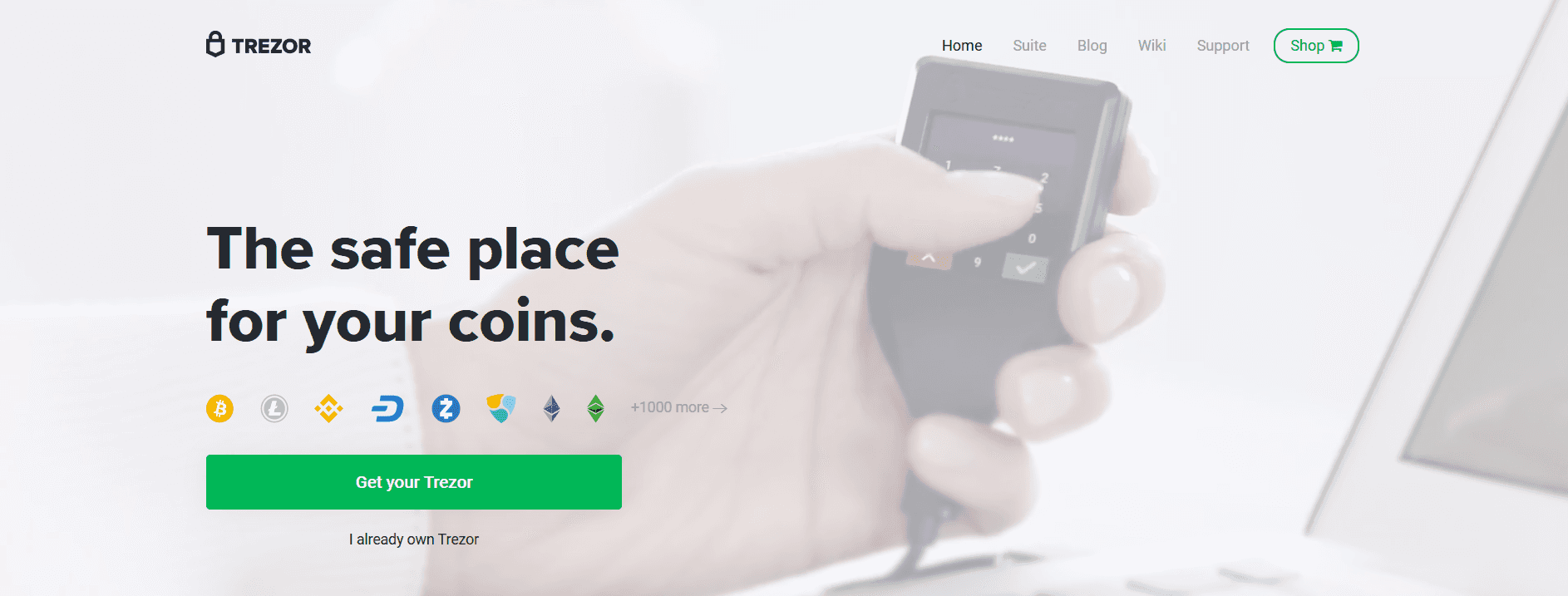
Trezor.io/start – Complete Guide to Setting Up Your Trezor Wallet
1. Introduction: What is Trezor.io/start?
Trezor.io/start is the official starting point for setting up a Trezor hardware wallet, one of the most secure self-custody wallets for cryptocurrencies. Unlike custodial wallets, where a third party holds your private keys, a Trezor wallet allows you to fully own and control your crypto assets.
The website provides step-by-step guidance for:
Device initialization
Firmware updates
Wallet setup and management
Using Trezor.io/start ensures that you are interacting with authentic Trezor software, which minimizes the risk of phishing or malware attacks.
2. What is a Trezor Wallet?
Trezor is a hardware wallet — a small, physical device designed to store your cryptocurrency private keys offline. It provides:
Maximum security: Private keys never leave the device.
User control: Only you can access your funds using a PIN and recovery seed.
Compatibility: Works with thousands of cryptocurrencies, including Bitcoin, Ethereum, and altcoins.
Trezor comes in multiple models:
Trezor One: A basic model for beginners and casual users.
Trezor Model T: A premium device with touchscreen, supports more coins, and additional features.
Hardware wallets like Trezor are considered the safest way to store crypto, especially for long-term holders.
3. Why Use Trezor.io/start?
Trezor.io/start is not just a website; it is the official onboarding portal for new Trezor users. It ensures:
Authenticity: Avoid fake downloads and malicious software.
Step-by-step guidance: Covers setup, firmware updates, and wallet creation.
Security compliance: Ensures your device is ready to securely manage crypto.
Using unofficial sites or third-party guides can lead to loss of funds, making Trezor.io/start essential for safe setup.
4. Step-by-Step Setup Guide
Step 1: Purchase and Inspect Your Trezor
Buy only from official Trezor channels or trusted resellers.
Check packaging for tamper-evident seals.
Confirm that the device is factory new to prevent compromised security.
Step 2: Visit Trezor.io/start
Open a desktop browser and navigate to Trezor.io/start.
The portal automatically detects your Trezor model and provides instructions tailored to your device.
Step 3: Install Trezor Bridge or Trezor Suite
Trezor Bridge allows communication between your Trezor and browser.
Trezor Suite is the official desktop/mobile application for wallet management.
Follow the installation instructions carefully.
Step 4: Connect Your Device
Use the supplied USB cable to connect your Trezor to your computer or mobile device.
Ensure a stable connection during setup.
Step 5: Initialize the Wallet
Choose “Create a new wallet” or restore from an existing recovery seed.
Set up a secure PIN for device access.
Write down the 24-word recovery seed provided by the device. This seed is critical — it allows you to restore your wallet if the device is lost or damaged.
Step 6: Update Firmware
If prompted, update your device to the latest firmware.
Firmware updates include security patches and performance improvements.
Step 7: Access Your Wallet
Open Trezor Suite to manage your assets.
Add cryptocurrencies, view balances, send and receive funds.
Use the built-in portfolio tracker for monitoring your holdings.
5. Security Features of Trezor Wallets
5.1 Offline Storage
Private keys are stored offline, making them immune to online attacks.
5.2 PIN Protection
Every access requires a PIN code, preventing unauthorized usage if the device is stolen.
5.3 Recovery Seed
The 24-word recovery seed acts as a master key to restore your wallet.
Keep it offline and never share it with anyone.
5.4 Passphrase Option
For extra security, a passphrase can be added on top of the recovery seed.
Each passphrase generates a new wallet, allowing for multiple hidden wallets.
5.5 Firmware Verification
Only verified firmware is installed on the device.
Prevents tampered software from compromising your wallet.
6. Supported Cryptocurrencies
Trezor wallets support thousands of cryptocurrencies, including:
Major Coins: Bitcoin, Ethereum, Litecoin, Bitcoin Cash
Altcoins: Cardano, Polkadot, Tezos, and many others
Tokens: ERC-20 tokens and compatible blockchain tokens
This makes Trezor suitable for both beginners and advanced users with diverse crypto portfolios.
7. Differences Between Trezor and Custodial Wallets
FeatureTrezor WalletCustodial WalletPrivate KeysUser-controlledHeld by third partySecurityOffline, hardware-basedRelies on custodian securityAsset AccessImmediate, no restrictionsLimited by custodian rulesRecovery24-word seedManaged by custodianFeesOnly blockchain feesTransaction/trading fees may applyUse CaseLong-term storage, DeFi, tradingRetirement accounts, investment platforms
Trezor is ideal for self-custody enthusiasts, while custodial wallets are better for investors wanting convenience and regulatory compliance.
8. Best Practices for Trezor Users
Store Recovery Seed Securely: Use fireproof and waterproof storage.
Use a Strong PIN: Avoid obvious combinations.
Enable Passphrase Protection: Adds a layer of security.
Keep Firmware Updated: Protects against vulnerabilities.
Avoid Phishing: Only use official websites for setup and management.
Regularly Check Device Integrity: Inspect for signs of tampering.
9. Advantages of Using Trezor
Maximum Security: Offline key storage protects against hacks.
Full Ownership: You control your private keys and funds.
Supports Multiple Cryptocurrencies: Manage a diverse portfolio.
Recovery Options: 24-word seed ensures asset restoration.
Open Source: Trezor firmware is transparent, enabling community audits.
10. Limitations of Trezor Wallets
Physical Device Required: Must carry or secure hardware.
No Built-in Exchange: Trades require integration with third-party platforms.
Learning Curve: Beginners may need time to understand recovery seeds and passphrases.
Cost: Trezor devices have upfront purchase costs.
11. Who Should Use Trezor.io/start?
Trezor wallets are ideal for:
Long-term crypto holders seeking secure storage.
Investors in multiple cryptocurrencies and tokens.
Users concerned with online security and hacking risks.
Individuals who want full control over their private keys.
It may not suit:
Users wanting instant access without a physical device.
Casual investors preferring custodial wallets with customer support.
12. Summary
Trezor.io/start is the official onboarding portal for Trezor hardware wallets. It guides users through:
Device initialization
Firmware installation
PIN and recovery seed setup
Accessing the Trezor Suite
Trezor wallets provide unmatched security, full control, and support for a wide variety of cryptocurrencies, making them ideal for users who prioritize self-custody and long-term security.
Key Takeaways:
Full ownership and control of crypto assets.
Offline storage ensures security from online attacks.
Recovery seed allows wallet restoration anywhere.
Best for long-term holders, DeFi users, and security-conscious investors.