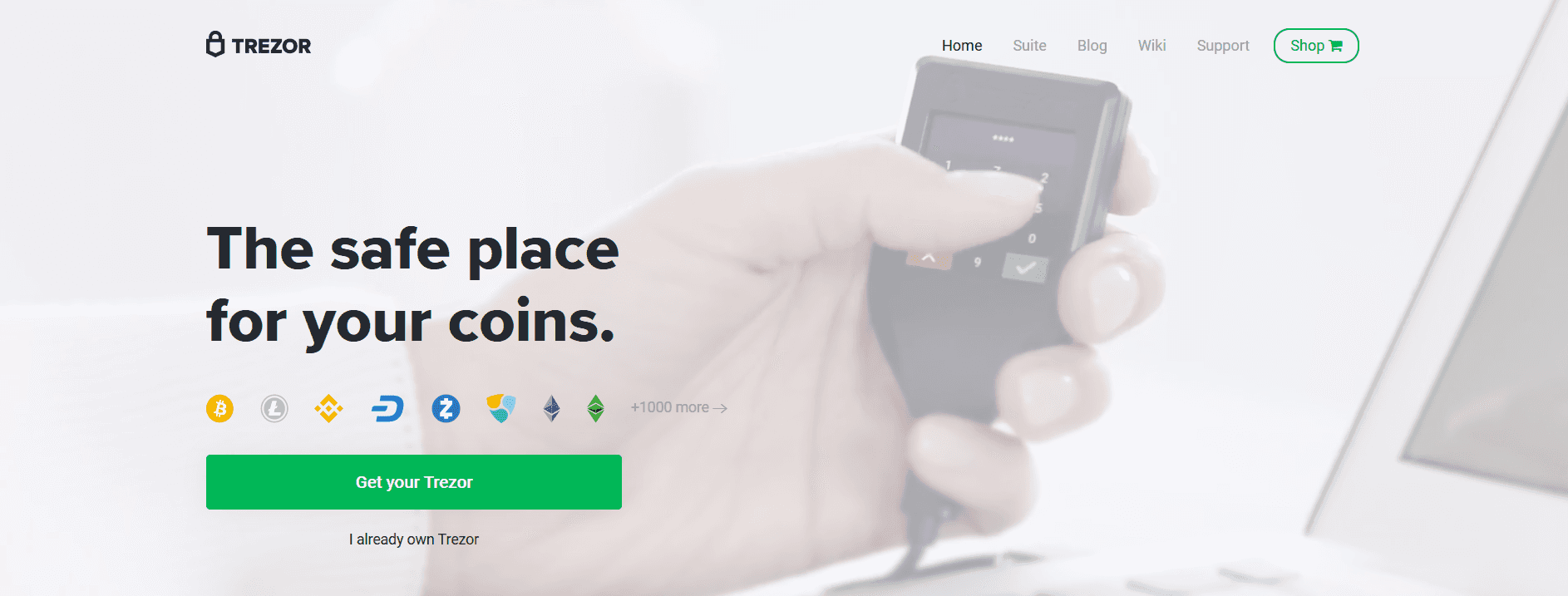
Trezor.io/start is the official starting point for setting up a Trezor hardware wallet, which is a popular self-custody cryptocurrency wallet. Unlike custodial platforms like iTrustCapital Wallet, Trezor gives you full control over your private keys, meaning you own your crypto directly.
Here’s a detailed guide on what Trezor.io/start provides and how to get started:
1. What is Trezor.io/start?
It is the official Trezor setup portal for all Trezor hardware wallets, including Trezor One and Trezor Model T.
The site guides you through the initial setup, firmware updates, and connecting the device to your computer or mobile device.
Using the portal ensures that you download official Trezor software, reducing the risk of phishing or malware attacks.
2. Steps to Start Using Trezor
Step 1: Purchase and Unbox Your Trezor
Only buy from the official Trezor website or authorized resellers.
Check the tamper-evident seals and packaging integrity before opening.
Step 2: Go to Trezor.io/start
Use a desktop browser and navigate to Trezor.io/start.
The site will detect your Trezor model and provide instructions for your specific device.
Step 3: Install Trezor Bridge or Suite
Trezor requires Trezor Bridge (software that allows communication between your device and browser) or Trezor Suite (full wallet management app).
Download and install as instructed.
Step 4: Connect Your Device
Connect the Trezor hardware wallet to your computer or mobile device via USB or, in some cases, USB-C.
Follow on-screen instructions to initialize your device.
Step 5: Set Up PIN and Recovery Seed
Create a secure PIN to unlock your device.
Write down your recovery seed (24-word phrase) carefully and store it offline in a safe location. This seed is the only way to recover your crypto if the device is lost or damaged.
Step 6: Update Firmware
If prompted, update your Trezor’s firmware to the latest version.
Firmware updates often include security enhancements.
Step 7: Access Your Wallet
Once setup is complete, you can access your wallet via Trezor Suite.
You can now send, receive, and manage cryptocurrencies securely.
3. Security Features of Trezor Wallet
Private Keys Stored on Device: Keys never leave the device, so even connected to a compromised computer, your crypto remains safe.
PIN Protection: Limits access if the device is lost or stolen.
Recovery Seed: The 24-word phrase can restore your wallet anywhere.
Passphrase Option: Adds an extra layer of security on top of the recovery seed.
Firmware Verification: Ensures only authentic, untampered firmware is installed.
4. Differences Between Trezor and Custodial Wallets
FeatureTrezorCustodial Wallet (e.g., iTrustCapital)Control of Private KeysFullNone – keys held by custodianAsset AccessImmediateRestricted (IRAs or PCAs may limit withdrawals)SecurityUser-managed, offline storageInstitutional custody & insuranceUse CasesAll crypto, including DeFiRetirement investing, metals, limited cryptoRecovery24-word seedCustodian manages recoveryFeesNone beyond blockchain feesTrading/management fees apply
5. Best Practices for Using Trezor
Never share your recovery seed with anyone.
Store your seed offline in a secure place, like a safe or fireproof storage.
Enable passphrase protection for extra security.
Keep firmware up-to-date to patch vulnerabilities.
Be aware of phishing sites — only use Trezor.io/start for setup.
6. Summary
Trezor.io/start is your official entry point for initializing and securing your Trezor hardware wallet. It’s ideal for users who want complete ownership and control of their cryptocurrency, contrasting with custodial platforms where a third party manages your keys.
Key Takeaways:
Provides step-by-step setup for Trezor devices.
Ensures secure communication between your device and computer.
Guides you through PIN, recovery seed, and firmware setup.
Critical for securely managing self-custodied crypto.